
Ceramic and zirconia options
Ceramic and zirconia restorations may provide strength, color stability and a natural-looking appearance when clinically appropriate.
DENTAL CROWNS IN VIETNAM
Dental crowns may help protect weakened teeth, restore chewing function and improve the visible shape or color of selected teeth. Every case begins with a clinical evaluation and a personalized restorative plan.
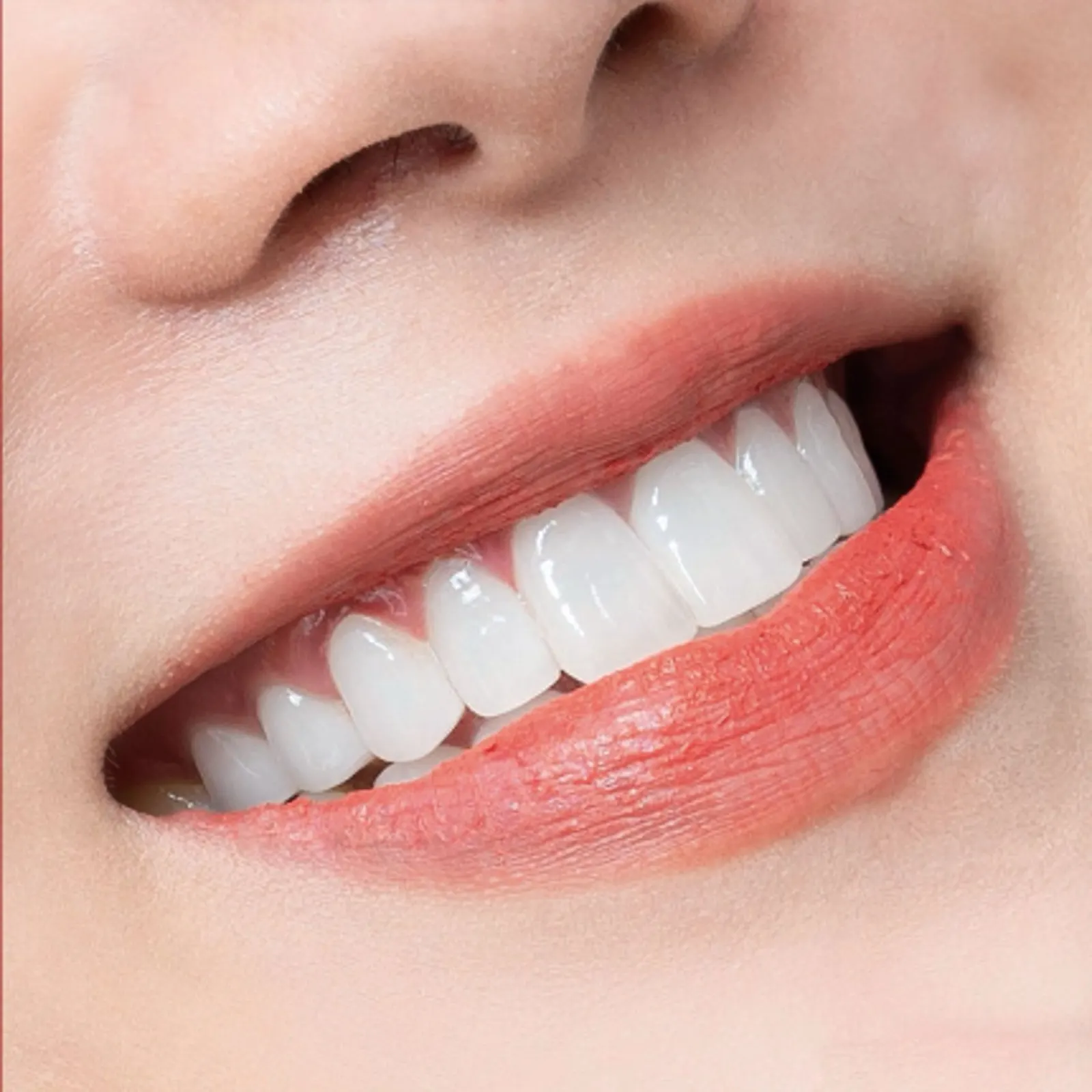
A dental crown is a custom-made restoration designed to cover and protect a tooth that has been weakened, damaged, heavily restored or treated with root canal therapy.
Crowns may also be used as part of implant restoration or a wider smile rehabilitation plan. Your dentist will assess your teeth, gums, bite and remaining tooth structure before recommending treatment.
The benefits of crown treatment depend on your oral condition, remaining tooth structure, bite and personalized clinical plan.
A crown may help reinforce a tooth that has been significantly damaged, cracked or weakened by a large restoration.
The restoration is designed to rebuild the shape and function needed for comfortable everyday use.
Crowns may help improve the visible color, contour and proportion of selected teeth when clinically appropriate.
A crown may be used as the final visible restoration placed over a dental implant.
Suitability can only be confirmed after a clinical examination and evaluation of the affected tooth or implant.
The exact process, number of appointments and treatment time depend on the condition of the tooth, the selected material and whether additional treatment is required.
Your dentist examines the tooth, surrounding gums and bite, and reviews any required diagnostic imaging.
The dentist confirms whether a crown is appropriate and discusses material, shade, shape and treatment timing.
The affected tooth is prepared according to the approved clinical plan so the final crown can fit securely.
Accurate records are taken for the dental laboratory to create the custom restoration.
The crown is assessed for fit, appearance, contact and bite before final placement.
You receive guidance on cleaning, maintenance and recommended review appointments.
The appropriate crown material is selected according to tooth position, bite, appearance goals, clinical suitability and your dentist's recommendation.
Ceramic and zirconia restorations may provide strength, color stability and a natural-looking appearance when clinically appropriate.
The crown shade is selected to complement surrounding teeth and the overall appearance of your smile.
The crown is designed to restore shape, contact and bite while supporting comfortable everyday function.
A crown may be recommended when a tooth is cracked, heavily restored, weakened, treated with root canal therapy or requires an implant-supported restoration. A clinical examination is required.
Treatment time depends on the tooth condition, laboratory process, selected material and whether additional care is required. Your dentist will explain the expected schedule after evaluation.
The restoration is planned according to tooth shape, shade, surrounding teeth and functional requirements. The final result depends on clinical conditions and material selection.
Crowns require careful daily oral hygiene, regular dental reviews and protection from habits that may place excessive force on the restoration.
Yes. A crown can serve as the visible final restoration over a dental implant after the implant has integrated and the case is clinically ready.